
What is the easiest country to retire to in Europe?
What if I told you that you could retire abroad in Europe for a lower cost of living, better quality of life, and better quality health care?
For many people, retiring in Europe feels like the ultimate dream. You while away the days sipping coffee or wine at an outdoor cafe, watching the world go by, and wondering what took you so long to get there.
I've spent the last 20 years helping people move abroad, primarily to Europe. And in this chapter, I'm going to share with you eight of the best places to retire in Europe, all for less than $3,000 per month.
You'll hear the pros as well as the cons, plus what actual retirees say about living in these destinations. Let's begin.
Would you be interested in living in a European country where you can experience a sunny, warm climate year round and many people speak English?
Welcome to Cyprus, the Mediterranean island that most retirees overlook.

Cyprus combines postcard perfect coastline with surprisingly affordable cost of living. You can live comfortably there on around $2,000 per month for a single person or $3,000 for a couple, including rent, utilities, and dining out.
Rent a studio or one-bedroom apartment here for €600 to 1200 per month. And you may be able to find even more affordable rents from 400 to €500 euro in Papos and Larna.
Utilities run about €100 to €150 per month, and a meal for two at a seaside tivera around 4 to 60 with drinks or €15 for a casual meal.
One thing that many people don't expect about Cypress is that English is widely spoken. And this is because Cypress was a British colony between 1925 and 1960.
So there's also a lot of tourism in Cypress. So you can expect to be able to speak English at places like restaurants, hotels, bars, government offices, and also doctor's offices.
I checked the stats and it looks like about 3/4 of the population in Cyprus speaks English along with their native languages.
When it comes to real estate, housing options range from modern apartments in Lima Soul to traditional stone houses to luxurious seafront villas. Properties here start from around €200,000, but you can definitely find deals in less touristy areas.
On the downside, Cypress doesn't have a traditional retirement visa. So, to be able to move here, you'll have to do something like their golden visa, which requires an investment of at least €300,000 in real estate.
Cypress offers a lot of benefits for their investors. So, it's a way to go there and spend a little bit of time per year or also to live there year round.
If you can swing it, you'll get EU residency, access to the health care system, and the freedom to travel throughout Europe. And after eight years, you can apply for Criot citizenship.

Even better, Cypress offers favorable tax options for retirees who become tax residents. You can choose from a 5% flat tax on your foreign pension or opt for the standard rates from 0 to 30% depending on your income.
Cypress has both public and private health care. So, if you do become a resident there, you can opt into the public health care system, but a lot of retirees decide to go for private insurance, which can be quite affordable, starting from around 60 to €100 per month.
When it comes to climate, Cypress enjoys over 300 days of sunshine per year with mild winters and hot summers. It's perfect if you're seeking a beach lifestyle with easy access to hiking and the rest of Europe and the Middle East.
An upside to living in Cypress is that the expat community is very strong. You actually have a lot of permanent residents from a lot of different countries, a lot of British retirees, a lot of digital nomads from around the world who are passing through.
So, I really enjoyed my time there. I met a lot of really interesting people, foreigners and locals alike. And I loved the scenery. The infrastructure is really good. It's very modern society, but at the same time, it does have some downsides.
I mean, it can get really hot in the summer, and a lot of people have been mentioning that the last few years it's been getting warmer and warmer. It's also quite vulnerable to dust storms, so the air quality isn't the best.
And it's not a place to go if you want to be able to pay zero taxes unless you're below a certain income threshold. And in that case, it would be really difficult to qualify for that investment visa.
One foreigner I saw online said that living in Cypress for 20 years has been a positive experience. His family has experienced safety, good weather and the sea, and relatively good private healthcare. It is an island, he mentioned, so technically we're always on holiday.
But if the residency option in Cypress is a little bit high for your liking, then you might be interested in the next destination on our list, which also has a very high quality of life. It's a little bit more expensive on a day-to-day basis, but it's also an English-speaking country.
Imagine waking up to rolling green hills, stone cottages, and the smell of fresh soda bread from the local bakery. You spend your mornings walking along rugged coastlines, your afternoons in cozy pubs chatting with the locals, and your evenings watching the sunset over the Atlantic.

This is Ireland, a country that feels like coming home, even if you've never been there before.
Ireland actually ticks a lot of boxes when it comes to what you might be looking for in a European retirement destination. It's beautiful. It's safe. It has a very high standard of living. And it also is one of the highest ranked countries on the global peace index.
So very idyllic, peaceful surroundings, not too crowded in a lot of areas and a lot of nature and just a nice slow lifestyle.
On the downsides, it's not known for having the best weather in the world. So it's going to be a little bit cooler and cloudier than Cyprus, for instance. But there's always trade-offs when you're thinking of moving to a new country.
Another thing to keep in mind is that it's not cheap. Ireland has very expensive housing prices compared to a lot of countries in Europe.
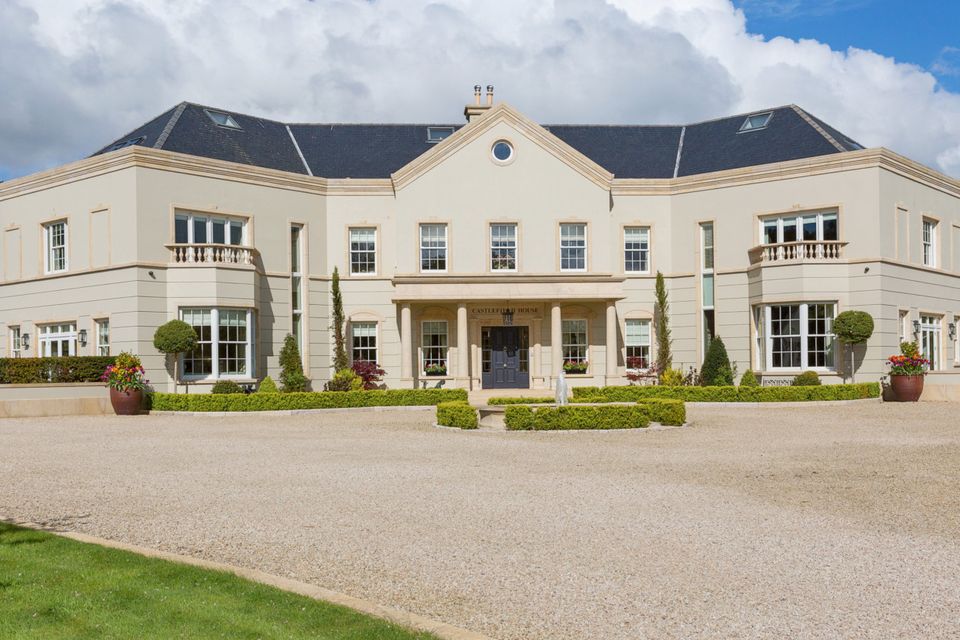
So whereas you might be able to get by for 2 or 3,000 a month as a couple, for example, in many countries on this list, in Ireland, you're going to be closer to around €3,000 per month, maybe even up to 4,000 depending on what type of housing you get.
Rent for a one-bedroom apartment in Dublin runs from $2,000 and up, but smaller towns like Killery or Galway can be slightly more affordable.
A benefit of going to Ireland is that you can rent instead of buy. They have a specific retirement visa called the Stamp Zero that you can qualify for with about 50,000 euro in income as a single person or h 100,000 as a couple.
And the catch here is that you don't have to buy a property to get approved for this visa, but you do have to show that you have enough money in the bank to be able to buy a property.
So, property prices going to start around €200,000 and up, but can be a lot more expensive in places like Dublin.
Ireland has excellent public health care, but wait times can be long. I do see people complaining about this online sometimes. So, for that reason, most expats opt for private insurance, which costs around $1 to $150 per month and gives you access to specialists.
Ireland's climate is mild but rainy. Expect frequent drizzle and gray skies, especially in winter.
But if you don't mind the weather, you'll be rewarded with lush green landscapes, friendly locals, and a strong sense of community.
The Irish are known for their warmth and hospitality, and having traveled there a few times, I can certainly attest to that.
The locals are so friendly that you can actually go up and walk up to people in the park or in cafes and they will have a conversation with you.
I just went up and talked to strangers on the street and they were happy to sit down and talk with me or go for a walk.
And I found it like that throughout the country, including Northern Ireland as well.
But what do real people say who are living there now?
Well, one British retiree wrote that you'd be surprised at how little it takes to pay your bills each month if you don't have a mortgage or kids.
I have to say that I'm reasonably comfortable and I'm not worried about my finances at all. Although I do live in the country, not Dublin.
Now, if Ireland sounds good to you, but you're looking for something a little bit more economical, then you can live in our next location at half the price with sunnier weather as well.

Retiring in Greece is like stepping into a postcard that never ends.
Whitewashed houses, turquoise seas, and a pace of life so slow you'll forget what stress even feels like.
Greece offers stunning islands, affordable living, and a Mediterranean lifestyle that prioritizes family, food, and the slow life.
Related
