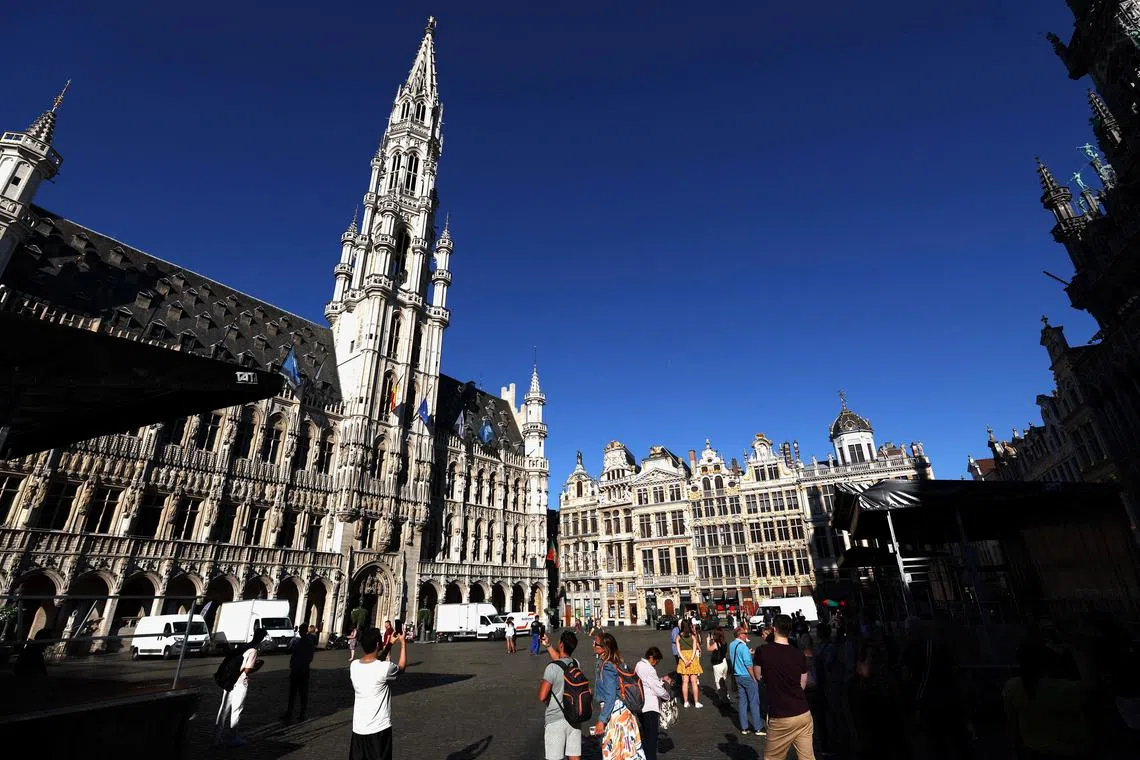
Friends, everyone wants to go to Europe, settle there, live long-term, and eventually get citizenship or permanent residency. But do you know that sometimes people make the wrong decision at the beginning, which later causes serious problems when they try to get citizenship, a passport, or permanent residency in that country?
So, guys, I’m going to guide you about this because I’ve just completed my recent trip to Europe — in fact, this was my third trip to Europe. During my previous two trips, I visited several countries, and in this third trip, I covered the rest of the countries I hadn’t visited before. So now, I have almost completed my Europe tour — I have visited nearly 40 countries across Europe.
I met many people, had conversations, conducted interviews, asked questions, and even lived with locals in different countries — including Pakistanis, Afghans, and people from other nations. Now, I want to give you an important insight: there are five European countries that are extremely difficult when it comes to getting citizenship. I’ll also mention one or two bonus countries.
It’s not that entering these countries is difficult — you might easily get a normal visa, or even a TRC (Temporary Residence Card) or residence permit, or a Golden Visa, or a student visa. But if your goal is to stay long-term — to eventually get citizenship, a passport, or permanent residency — then it becomes very difficult in these countries.
That’s why, if you’re going to these countries just to enter Europe, that’s fine. But if your goal is to live permanently or get citizenship or PR, then you should consider moving on to another country.
This news about the most difficult countries in Europe for obtaining citizenship. You might be thinking — if I’m telling you about the difficult ones, then which are the easy ones? Don’t worry — I’ll make another video about that soon. If I try to include both in one news, it’ll become too long.
So without wasting time, let’s start.
I’m talking about European Union countries, including the Schengen Area, because this is the main region with the most opportunities and a borderless area — meaning you can travel freely between many countries.
So, the first country that is a member of both the European Union and the Schengen Area is Lithuania.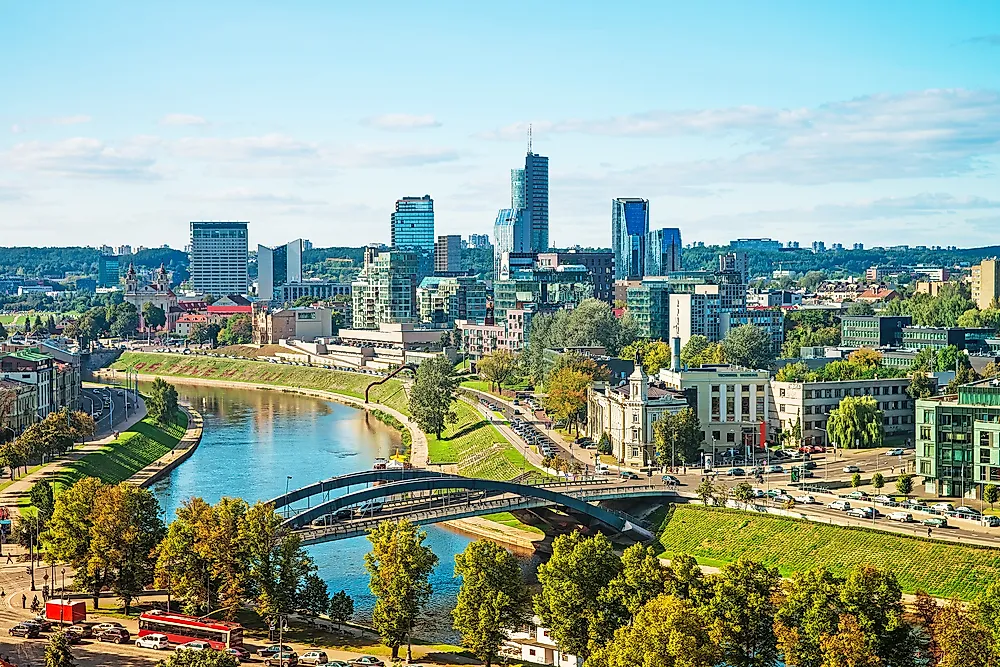
I’ve been there myself — I even had an interview with a student there. Lithuania is a country that easily issues Golden Visas and student visas, and you can even work while studying. It’s a Schengen country, but it’s very difficult to get citizenship there.
Even if you live in Lithuania for 15–20 years, getting citizenship remains hard. Their language is also very difficult — it’s somewhat similar to Russian — and there are many challenges for long-term settlement.
Of course, like all EU countries, the Lithuanian passport is strong, but they don’t give it easily.
The second country on this list is Greece (Yunan).
During this recent tour, I visited Greece and met a Pakistani man who moved there 20 years ago, and even today, he still has issues with his papers — meaning, even his residence permit hasn’t been fully sorted out, let alone a passport.
Greece gives citizenship with great difficulty — especially to Muslim people from Pakistan, Turkey, or Arab countries. You also have to learn their language, which is quite hard. Officially, you can apply after 7 years, but generally, people end up waiting 10–15 years, and even then, it’s not guaranteed.
So, Greece is one of the toughest countries in the European Union and Schengen Area for getting citizenship.
The third country is Estonia — located in the Baltic region of Europe, near Lithuania and Latvia. Estonia is also very tough when it comes to citizenship.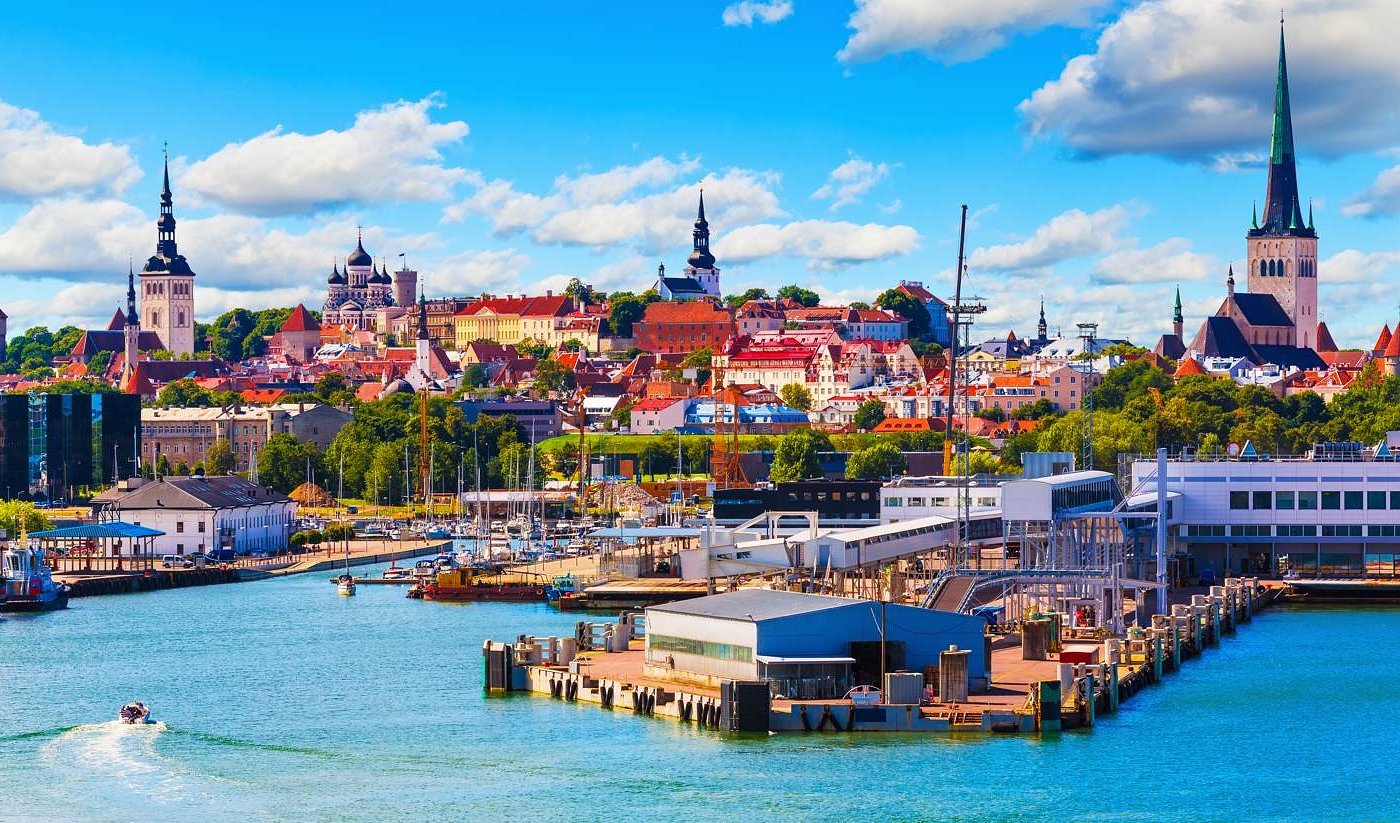
It takes a very long time, and the approval rate is very low. Many people apply, but few actually get citizenship. However, Estonia is still good for student visas, investment visas, and work opportunities.
If you’re planning for long-term settlement or citizenship, then you should avoid Estonia and move on to another country.
The fourth country is Spain.
Now, Spain is an excellent country — great for work, people are friendly, the weather is nice — but getting citizenship takes a long time.
I’m talking about naturalization-based citizenship — meaning you live legally in the country for a number of years and then apply (not through marriage or investment).
Officially, Spain allows you to apply after 10 years of legal residence, but in reality, many people I met have been living there for 15–16 years and still haven’t received citizenship.
The Spanish language is mandatory, and the process itself takes years — sometimes one or two more years after application. So altogether, you may end up spending 10–15 years before getting approval.
That’s why I consider Spain one of the hardest EU countries for citizenship — despite how amazing it is in other ways.
The fifth country is Slovenia — a small country in Europe, but very tough when it comes to citizenship.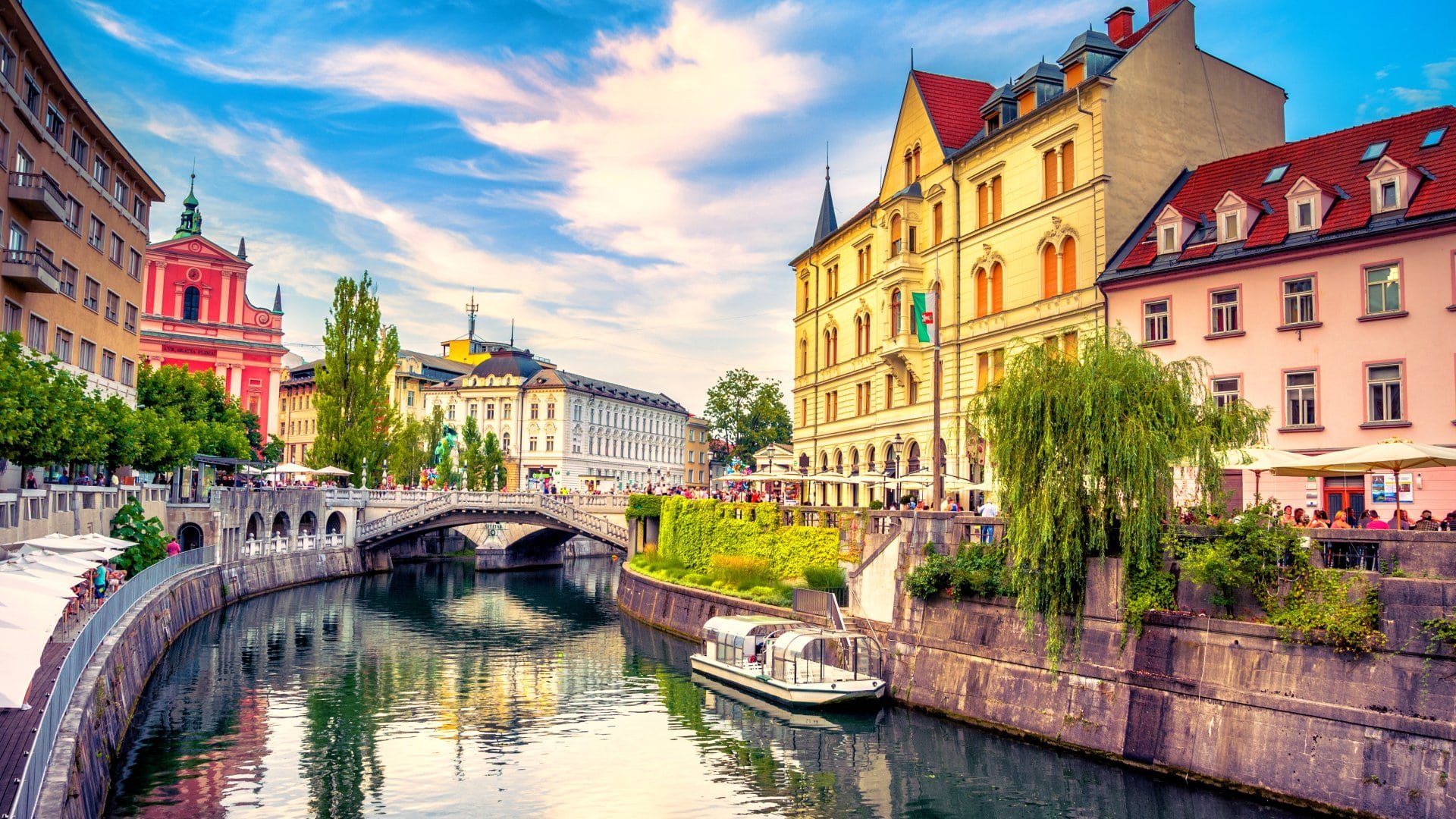
You have to wait a long time, and even then, your chances are very low — especially for Asians and Arabs, as their laws are quite strict.
So these are the five European countries that are the most difficult for getting citizenship.
If your main goal is to get a European passport, it’s better to go to a country where it’s easier — if you’re going to struggle anyway, struggle where it’ll actually pay off.
Now, as a bonus, here are a few more countries that are also difficult:
Slovakia, Latvia, Denmark, Liechtenstein, and Switzerland — all of these countries make it very hard to obtain citizenship.
So, try to avoid these countries if your goal is citizenship and focus on others where it’s easier to get a passport.
Related
