
We want to show you what life is like here in Russia under sanctions in 2025, because everything here changes all the time — it's really hard to keep up. We want to share with you how life under sanctions affects average people like you and I in their everyday life.
So, let's start with the essentials. By now, we all know exactly why sanctions were introduced on Russia. In fact, there have been over 24,000 sanctions on Russia from over 50 countries — meaning it has more sanctions than the next six most sanctioned countries combined.
By the way, we’re broadcasting this news in Sochi, which is a city in the south of Russia on the Black Sea Coast. But on this trip in particular, we've been in Moscow, St. Petersburg, Sochi, and then also over in Siberia — in Kemerovo, Novosibirsk, and the small town of Tomsk. So what we're showing isn’t exclusive to Sochi — we know this is the situation throughout Russia.
And on that note, let's head inside Magnit Extra, this massive supermarket here on the edge of town. Magnit is a typical supermarket chain found all over Russia. So, let's take a look at what’s on the shelves today and what has changed.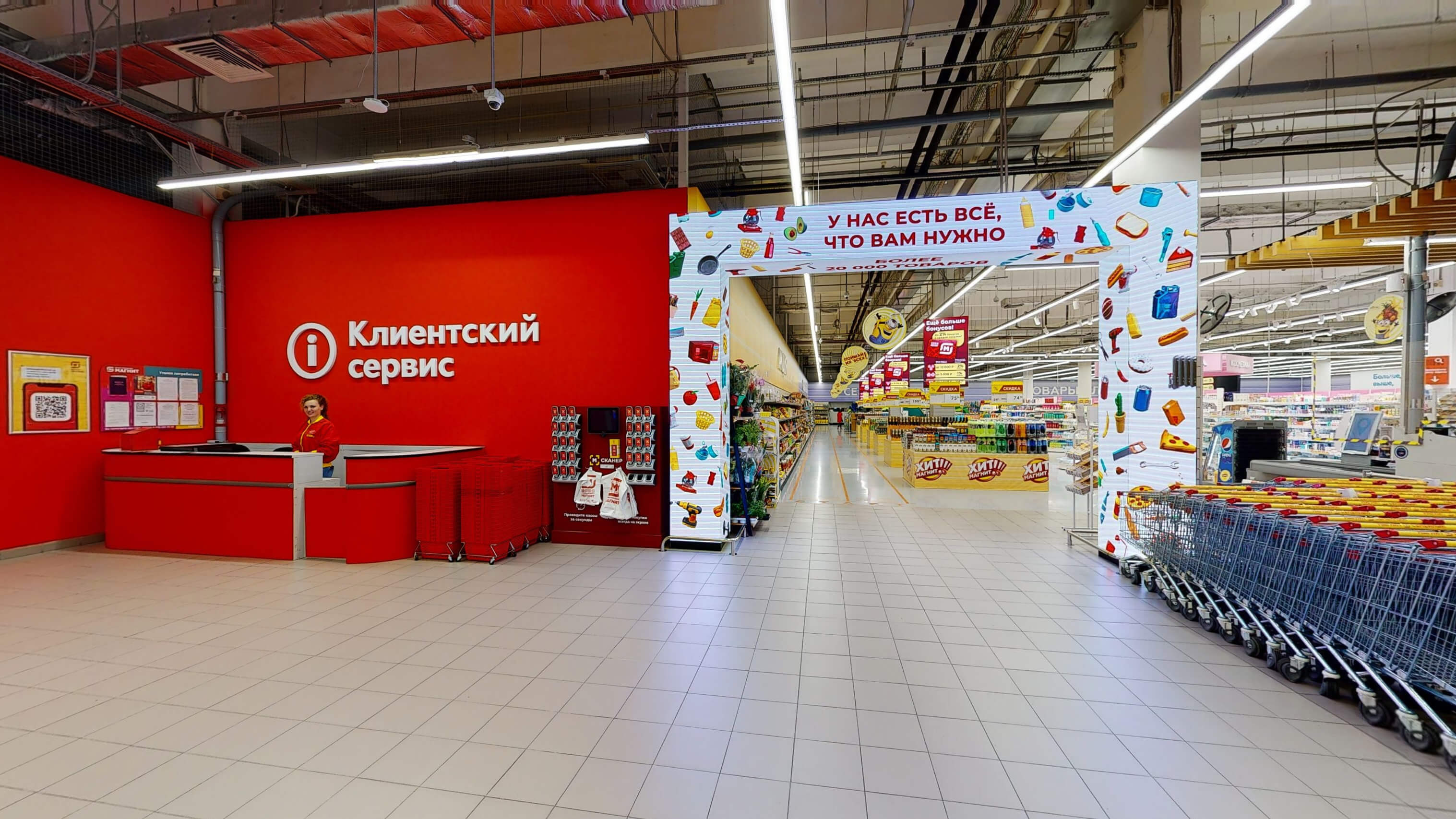
One thing that I always find quite funny — and you see a lot online at the moment — is this idea that the shelves in Russia are all empty and that there are no products left. For someone who’s traveled to Russia a lot over the past 11 years, I can say that’s not the case, even now under sanctions.
Walking around supermarkets, there are just as many international products as before. Even products that have officially left the country can still be found in many places, including here in Sochi and in Siberia. Some of these products have just changed their names or rewritten the labels into Cyrillic — for example, Nescafe, Tefal, or Dove — while others haven’t changed anything at all.
In fact, food imports and exports to and from Russia are one of the main things that haven’t been sanctioned as of 2025. And any brands that did leave were unilateral decisions.
As you can see, the shelves are not empty — there’s probably too much stuff, more than you need, same as everywhere. There was a massive deal about one specific brand leaving Russia, which is Coca-Cola. But basically, what happened pretty much the next day was a Russian company got the rights to the factories where Coca-Cola was made and the recipe, and the same thing is being made — just under a different label.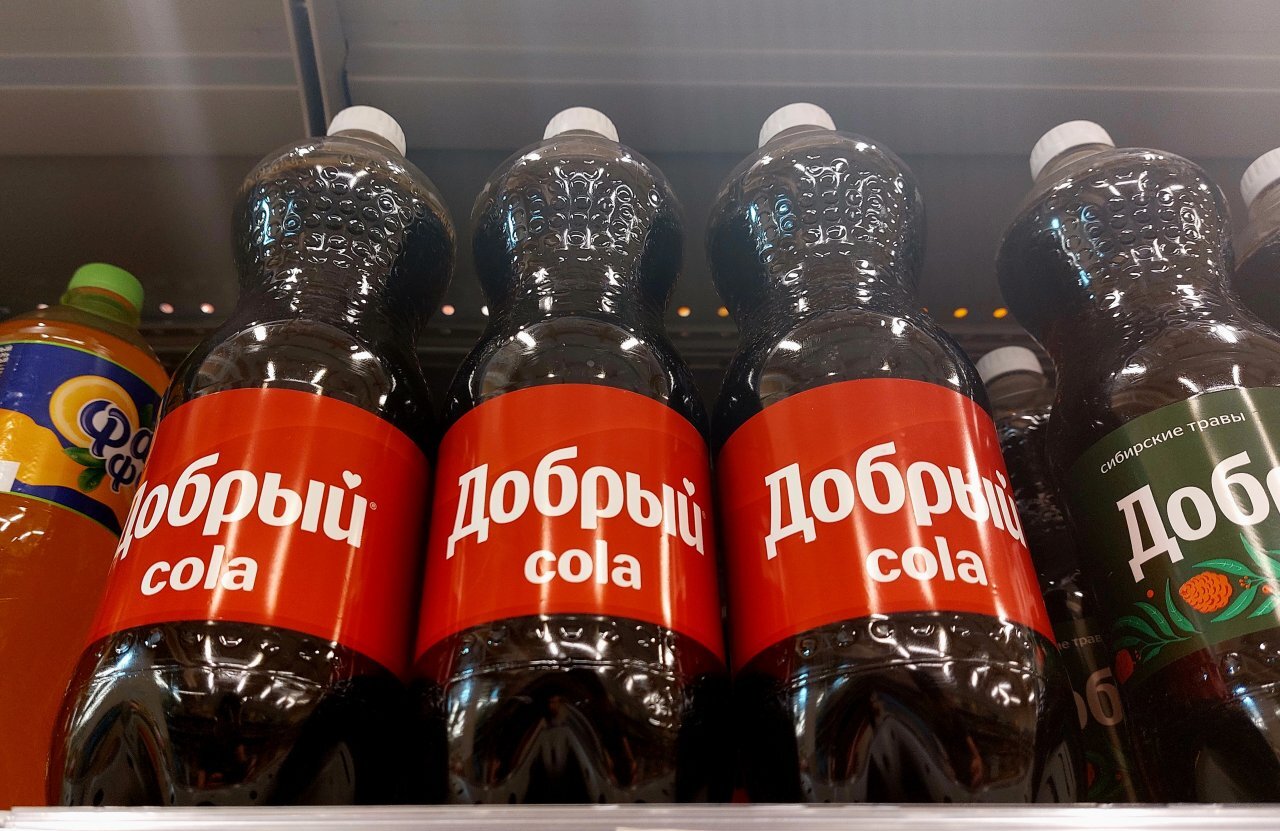
Prices for essentials have increased over the past few years, with inflation remaining high. But as of now, the selection of products in the shops and the amount of people shopping doesn’t seem to have changed a great deal.
Traveling to Russia has changed a lot over the last few years — no doubt about it. Everything from visa processes to how to get inside the country and what to expect once you’re there has become more complicated. That’s why Matt and I spent weeks compiling all of our knowledge about how to travel to and within Russia into a Survival Kit for you to download.
It’s full of practical advice and information you won’t find anywhere else online on how to travel safely in Russia right now and what to expect.
Also, as a native Russian speaker — and with Matt being fluent in Russian — we created a Russian Language Survival Kit with all the language basics you need to travel to any Russian-speaking country.
We’re currently running a special deal until the 9th of April, where you can purchase both kits (together or separately) at a special price. Head to our website
Talking of food, there’s been some rebranding inside the supermarket we were in — there’s actually a Burger King, one of the only major fast-food chains to have remained in Russia, alongside Papa John’s Pizza and Subway.
Others, like KFC, officially exited the Russian market — its name changed to Rostics — and McDonald’s famously changed as well.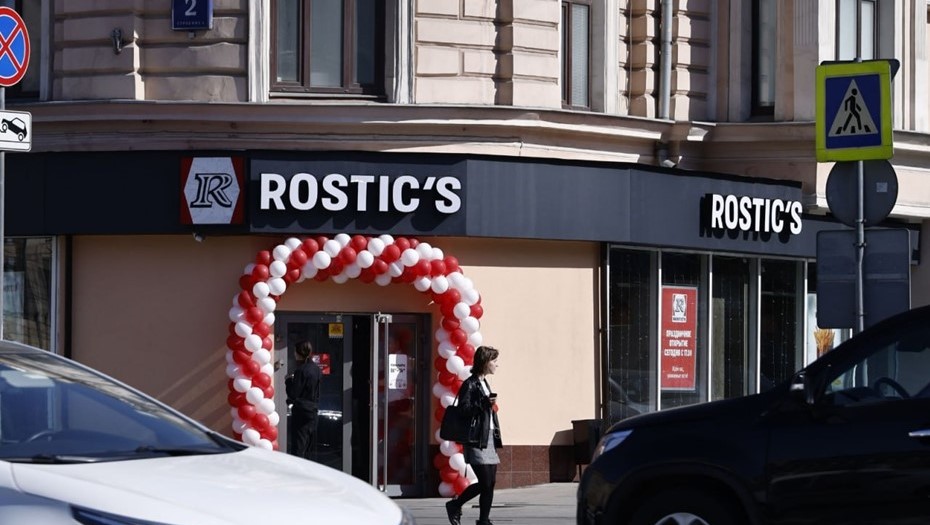
Many international shops have also left, for example Zara and Lego, but others, despite officially leaving, seem to have changed their names and kept selling the same products — and others haven’t left at all.
Okay, let’s talk about money.
There’s nowhere else to start but with SWIFT. In 2022, Russia was cut off from the SWIFT payment system, which facilitates transactions all over the world.
That means Russian cards with Visa or Mastercard stopped working abroad almost immediately. However, within Russia, nothing really changed. People continued to earn money into their Russian accounts and spend it inside Russia — even if they had Visa or Mastercard — as long as they also had MIR or UnionPay cards.
For people who live and earn money in Russia, the situation hasn’t changed much — except that prices have gone up. Inflation has been high, but wages have also increased.
Earlier, Russians could still use UnionPay or MIR cards in countries like Turkey, Armenia, and Central Asia — but those loopholes have mostly closed now due to secondary sanctions.
So nowadays, for Russians traveling abroad, there are a few ways to get money out:
- The old-fashioned cash method — bringing wads of cash abroad.
- Using crypto, though not through mainstream exchanges.
- Using KoronaPay, Russia’s version of Western Union, though that’s now banned in North America and Europe.
Basically, things change constantly. For those earning or spending across borders, it’s become much harder.
Inside Russia, though, finances are stable — salaries come, cards work, life continues. The main complications are international.
Regarding flights, there are no direct routes to Europe, North America, Japan, or South Korea. But you can still fly to countries like Turkey, China, UAE, Armenia, and Georgia.
Turkey has become the main hub for Russians flying internationally, especially to and from the West.
Because of sanctions, domestic tourism has boomed. Cities like Sochi are busy all year round — not just seasonally as before.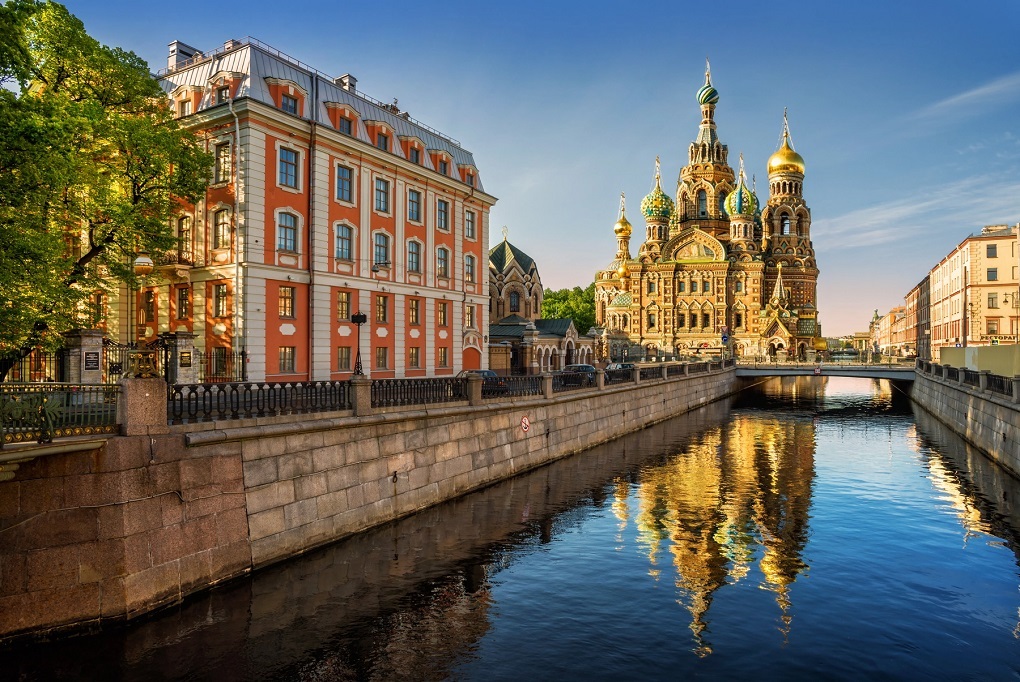
As for visas, Russians can still get Schengen visas from certain countries — it’s harder, but possible.
Now, let’s talk about social media.
In 2022, the Russian government labeled Facebook and Instagram as extremist organizations and banned them. However, people still use them via VPNs.
TikTok is restricted. YouTube remains available, but creators have trouble monetizing due to sanctions. Many have opened bank accounts in Kazakhstan or other “friendly” countries, or moved to VK Video and RuTube.
For foreigners in Russia (2025), the main issue is again money. Your Visa, Mastercard, or Amex won’t work in Russia. Bring cash or get help from local friends.
Crossing borders from the EU (like from Estonia) can be tricky — cash euros may be confiscated.
To book hotels, people now use Ostrovok, since Airbnb and Booking.com are shut off.
As for SIM cards, as of January 1, 2025, getting one as a foreigner has become very complicated. You now need more documentation, though it’s still possible.
If you bring cash, you can easily open a Russian bank account at Sberbank or Tinkoff — you’ll get a card within half an hour to use domestically.
To sum up — three years on, it feels like we’re still living in the reality of 2019. For the average person, life hasn’t changed drastically. Prices are up, foreign travel is harder, but daily life continues.
Related
