
Thailand is one of the most popular destinations for digital nomads — and for good reason. It offers strong internet infrastructure, low living costs, world-class food, excellent healthcare, and a vibrant global community of remote professionals.
However, despite the allure, many digital nomads arrive unprepared.
The first big mistake that prospective digital nomads make is not securing a long-term visa. Passport holders from 93 countries — including all major Western countries — can enter Thailand for up to 60 days without a visa. This easy access often tempts people to use visa exemptions repeatedly to stay long-term.
But this is a big mistake. Thai immigration tracks your arrivals and how long you stay. Repeated use of back-to-back visa-free entries will likely raise red flags.
If you’re serious about staying in Thailand long-term, you’ll need a proper visa.
The best option for digital nomads is the Destination Thailand Visa (DTV), introduced in 2024. It’s a 5-year multiple-entry visa designed specifically for remote workers, entrepreneurs, and freelancers.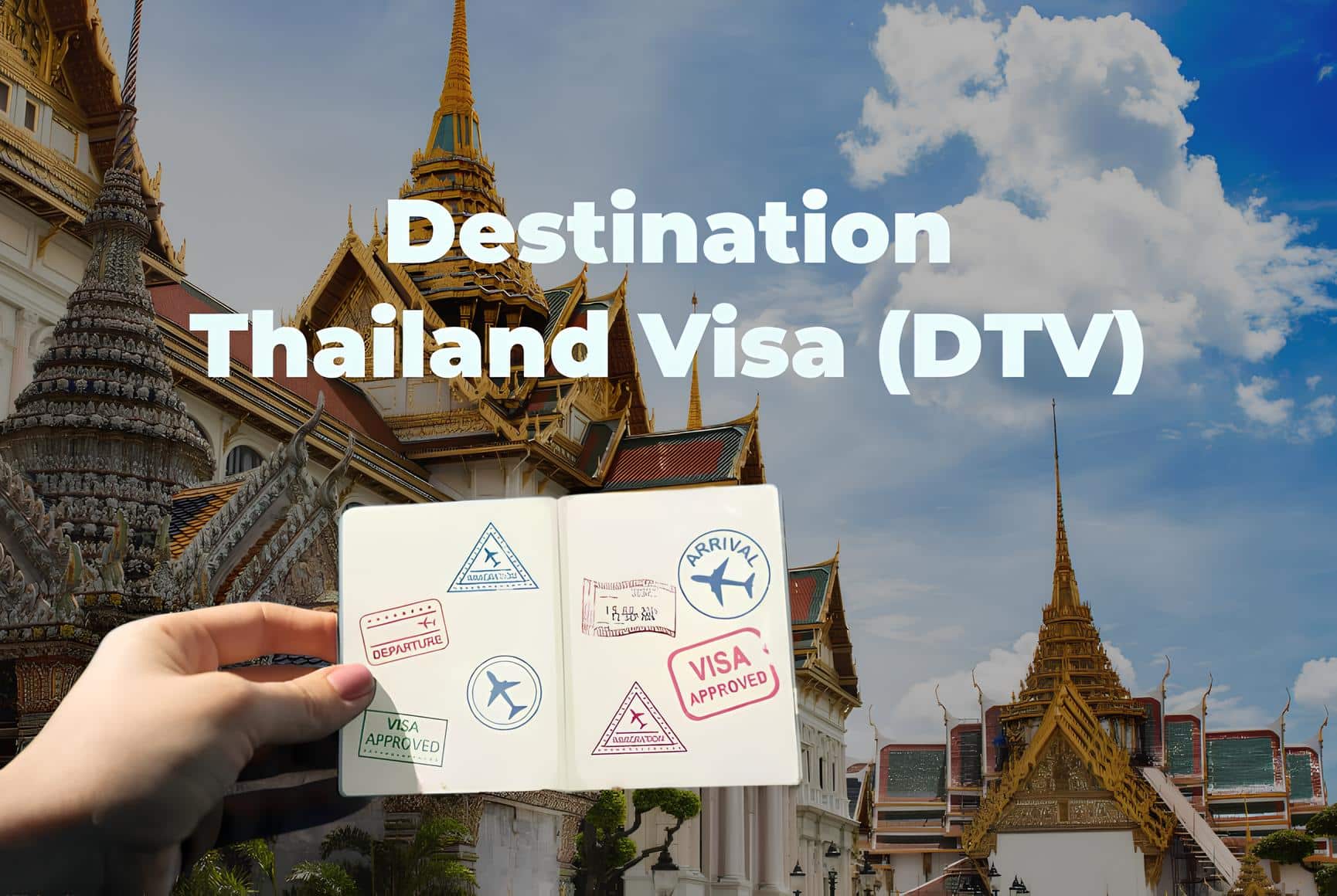
It can be a bit confusing, so let’s go through how it works.
The DTV visa is valid for 5 years and costs 10,000 Thai Baht to apply. Each entry into the country allows you to stay for up to 180 days, and you can extend your stay once per entry for an additional 180 days at a cost of 1,900 Baht. This allows you to stay in Thailand for up to 360 days without leaving. After that, you must exit and re-enter to reset the clock.
To apply, you must be at least 20 years old, show proof of 500,000 Thai Baht in available savings, and provide documentation proving that you work online or remotely. This can include a client list, work contract, or business registration.
Each embassy may interpret the rules differently — some may require more or less documentation, and processing times can vary significantly. It’s smart to research before choosing where to file your application, as it can make a big difference. You can also use a visa agency to simplify the process.
Once you’re in Thailand on a long-term visa, you’ll need to understand a bit about the bureaucracy. Residents are required to report to immigration every 90 days — this is called the 90-day report and involves several steps.
First, landlord must file a TM30 form declaring your residence. Make sure any landlord agrees to do this before signing your lease, and that it’s included in the lease agreement. You’ll need the TM30 receipt to file the TM47 form, which is the 90-day report.
You can file this at an immigration office. The first filing must be done in person, but later filings can be done online. The deadline is strict — you must file no more than 15 days before or 7 days after your 90-day mark. If you miss it, you’ll be fined 2,000 Baht and may face issues with visa extensions or renewals.
If you leave Thailand during that time, your 90-day count resets upon re-entry.
If this sounds like a hassle, you can use a visa agency to handle the entire process.
Now, let’s talk about budgeting and cost of living.
Thailand is affordable — but not universally cheap — and many digital nomads make the mistake of spending like they’re on vacation.
It’s important to set a budget before you arrive and track your expenses during the first few months.
Here’s a quick breakdown of basic costs:
- Rent: In Bangkok, one-bedroom apartments range from 10,000–30,000 Baht per month depending on quality and location. In Chiang Mai, Pattaya, and Hua Hin, you’ll find cheaper options, while Phuket and Koh Samui are more expensive.
- Food: Eating local is very affordable — a local meal can cost as little as 60 Baht.
- Internet: High-speed internet costs 500–1,000 Baht per month.
- Mobile data: Around 300–500 Baht per month.
- Electricity: Around 1,000–2,000 Baht monthly for a one-bedroom condo.
- Transportation: Around 1,000–2,000 Baht per month for taxis, ride-hailing, and public transport.
The DTV visa application costs 10,000 Baht over 5 years, and extensions cost 1,900 Baht per year, plus the occasional border run.
To rent a condo, you’ll usually need a deposit equal to two months’ rent, plus the first month upfront. You must also maintain 500,000 Baht in savings to renew or extend your visa — think of this as your financial cushion, not spending money.
Note that Western food, weekend trips, and entertainment can quickly raise your costs. The base cost of living in Thailand is low, but luxuries are not.
Keep track of your spending, especially early on, to ensure you’re within your budget.
Next, let’s discuss health insurance.
Thailand’s healthcare system is excellent, and routine doctor visits are affordable. But serious medical issues can be expensive without insurance.
One of the best insurance providers SafetyWing, which offers flexible travel and health insurance designed for digital nomads. Their Nomad Essential plan covers emergency medical care, travel delays, and lost luggage — it works like a subscription you can cancel anytime, even if you’re already abroad.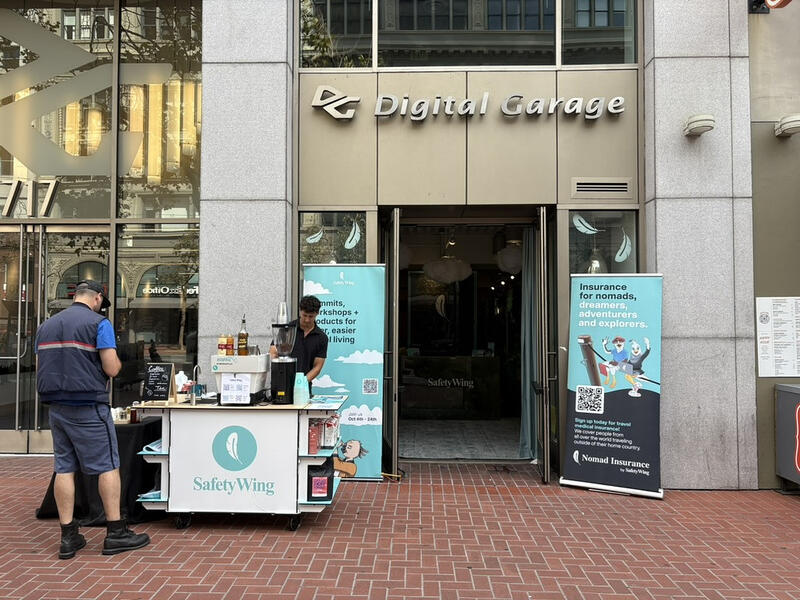
If you’re living abroad long-term, consider their Nomad Complete plan, which includes coverage for chronic illness, surgeries, cancer treatment, outpatient care, mental health, maternity, and even visits in your home country. It works in over 175 countries.
You can check your coverage cost using the SafetyWing calculator.
If you’re planning to stay in Thailand long-term, opening a bank account can make life easier — but it’s not guaranteed. Despite being a long-stay visa, the DTV is treated as a tourist visa by banks. Recent crackdowns mean you might not be able to open a local account.
You can still use foreign debit cards at ATMs, but you’ll pay a 220 Baht withdrawal fee each time. To save money, withdraw larger amounts less frequently and bring travel-friendly debit cards such as:
- Charles Schwab or Chase (for Americans),
- Chase (for Brits),
- Wealthsimple (for Canadians),
- Citibank (for Australians).
You can also use Wise or Revolut for international transfers.
Always bring spare debit cards — many people forget theirs in ATMs because in Thailand, you get the cash first and then the card.
Credit cards are also widely accepted, and Apple Pay and Google Pay work almost everywhere.
Paying bills is easy — you can pay at 7-Eleven or other big stores using cash or card. Rent, however, can be trickier — you can either send an international transfer or deposit cash directly into your landlord’s account and send a receipt copy.
If you stay 180 days or more, you’re considered a tax resident. This means you could be subject to Thai income tax, but as of 2025, Thailand’s Revenue Department proposed a rule stating that foreign income is not taxed if brought into Thailand in the same or following calendar year.
Thailand also has double-tax treaties with over 60 countries, including most Western nations. Still, it’s wise to consult a tax advisor who understands both Thai and international tax law.
Keep in mind, DTV holders are only allowed to work remotely. You cannot work for a Thai company or client, even part-time or through sponsored posts. That would require a Non-B visa with a work permit.
Now, let’s talk about the challenges of living in Thailand long-term.
One major issue is avoiding “holiday mode.” Thailand is full of distractions — beaches, nightlife, travel — and it’s easy to lose focus.
Set a strict needs-based budget and avoid unnecessary spending. This keeps you focused on work and helps prevent burnout or financial trouble.
Another mistake is surrounding yourself with the wrong people — those living in permanent vacation mode, drinking daily, or drifting aimlessly.
In Thailand, you’re disconnected from your usual social structures, so your friends here will influence your direction in life. Choose wisely and be cautious — there are also many scammers and hustlers who may pitch fake businesses, ask for loans, or promote risky investments.
Finally, you need an exit plan.
Even though you’re focused on arriving, you should also plan for when you might leave Thailand. Maybe after a few months or years, Thailand no longer feels right, or your business slows down.
This is the biggest mistake expats make — living too comfortably and forgetting about the future.
Thailand is easy and affordable, but it lacks Western social safety nets — no free healthcare, education, or retirement benefits. You must earn enough to invest and save.
Yes, you can live on a small budget, but that shouldn’t be your entire income. Build for your future, not just your present.
Too many expats stay too long without planning, and later regret it when it’s too late.
So, create clear goals, a timeline, and evaluate your progress regularly. Stay honest with yourself — are you building a future, orjust surviving today?
Related
