
Take a look at this news — this is the result of a student going to a country without doing proper research, without realizing that he’s spending lakhs and lakhs of rupees, and is now in debt and unable to get a job later on — simply because he chose to go to the wrong country.
In this news, We're going to tell you from our experience which are the best five countries to study in within Europe. If you follow this advice, I believe 90% of the odds will already be in your favor — at least you won’t end up going to one of those countries you should absolutely avoid. That’s the main goal of this news.
And all of this information is completely free. Speaking of free things, We've also compiled a list of resources for you — free study materials that you can use to prepare and take tests from home. All of this is free! Just sign up on vangr.com, and we’ll send it straight to your email right after you sign up.
Let’s take it in reverse order.
Number 5: Ireland
The best thing about Ireland is that it’s home to many big tech companies — Google, Microsoft, Apple, Meta — all have offices there because of its favorable tax policies. Another big advantage is that it’s an English-speaking country, so you can manage easily without learning a new language. Ireland offers a 2-year post-study work visa, giving you ample time to find a job, and has a well-defined PR pathway (Stamp 1G → Stamp 1 → Stamp 4).
However, Ireland isn’t perfect. The tuition fees can be extremely high — sometimes up to €25,000 per annum, especially for IT and business degrees. Living expenses are also high, particularly in Dublin and Cork, where housing is very costly. Moreover, there are only a few good universities — such as University College Dublin and Trinity College Dublin — and limited seats. So, keep Ireland on your list if you can afford it, but also apply to other countries.
Number 4: France
One of the biggest advantages of studying in France is that the tuition is extremely low compared to many other European countries — around €2,500–€3,000 per annum, almost like Indian tuition rates. France is home to world-class business schools such as INSEAD and HEC Paris, which are globally recognized. You also get a 12 to 24-month work permit after graduation and a clear PR pathway.
France excels in luxury, fashion, and finance industries, with Paris being a top global city. However, there are a few challenges. The biggest one is the language barrier — about 80–90% of locals prefer speaking French, especially outside Paris. So, you must learn the language. Also, PR takes around five years, so you must be patient. Still, if you’re open to learning French and adapting to local customs, France is a great choice.
Number 3: Sweden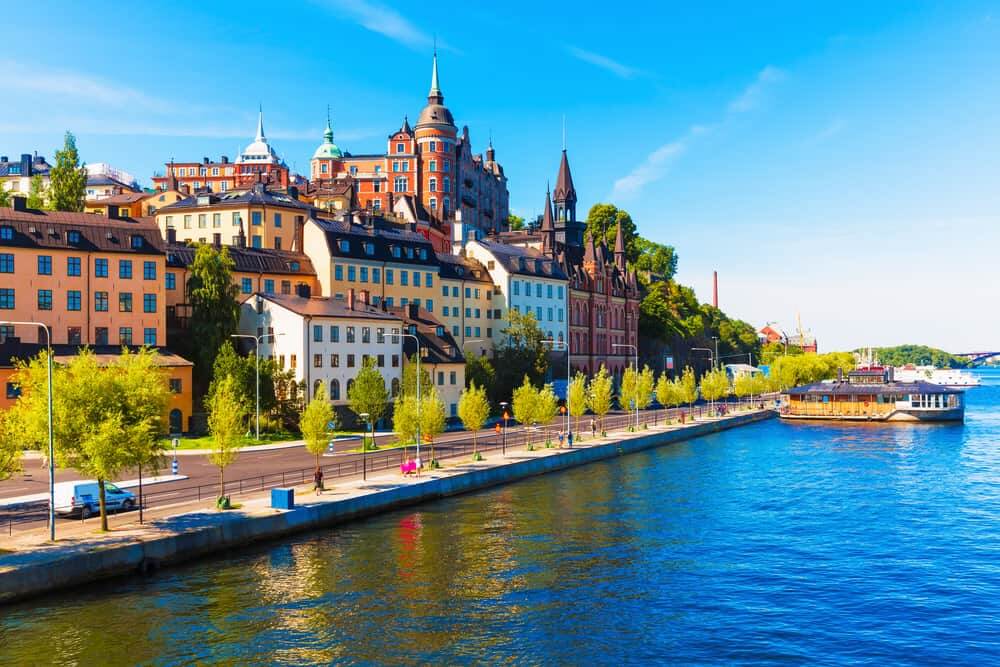
Sweden, one of the Nordic countries, offers excellent opportunities. People speak fluent English, and most programs are English-taught, so no need to learn another language. You get a 12-month post-study work visa, which you can extend upon finding a job, and can obtain PR in just four years — one of the fastest in Europe. Sweden also ranks high in research, innovation, and sustainability.
However, tuition fees are high — ranging from €7,000 to €15,000 per annum — and the cost of living in cities like Stockholm and Gothenburg is steep. The cold climate and short daylight hours can also affect some students emotionally. These aren’t major downsides, but they are worth considering.
Number 2: Netherlands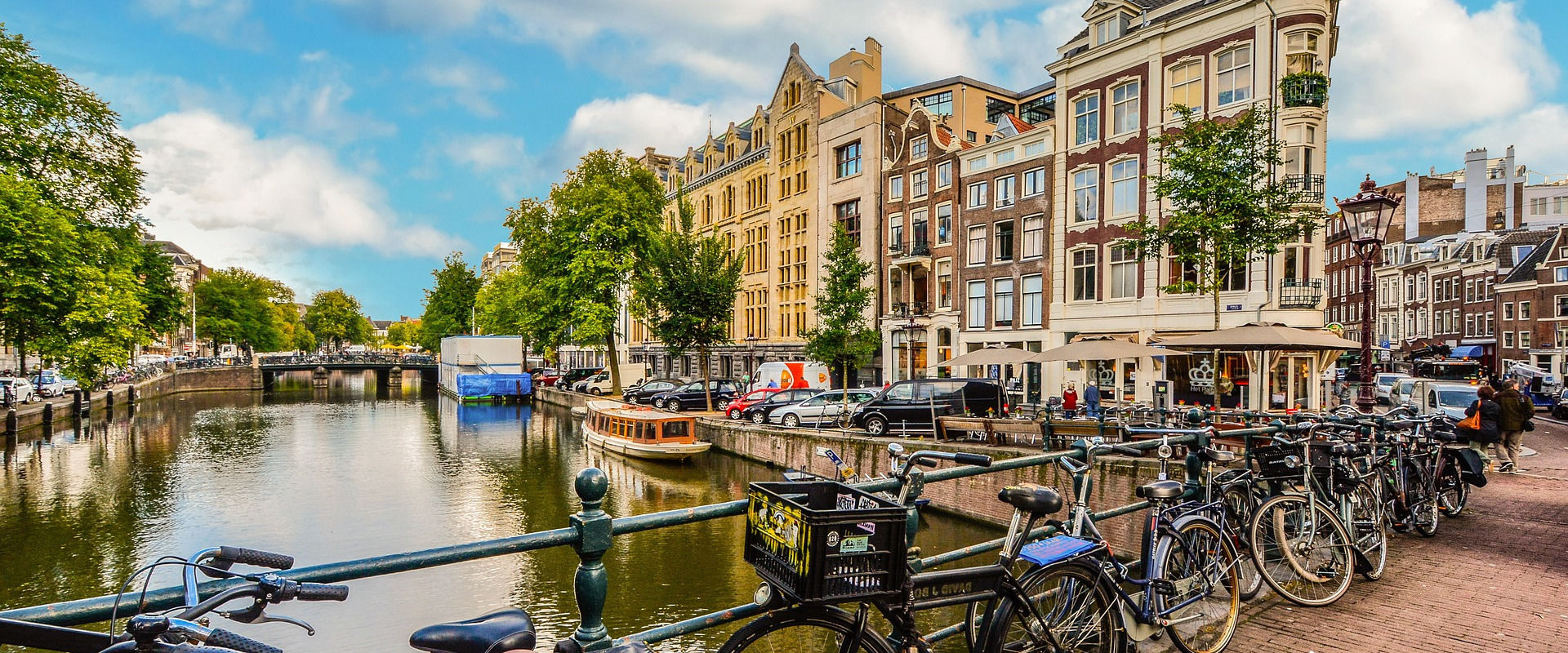
In the Netherlands, most programs are taught entirely in English, and almost everyone speaks English fluently. You get a zoekjaar visa (search year visa), which allows you to stay for one year after graduation to find a job. Once you’re employed, you can continue living in the Netherlands.
The Netherlands is home to top companies like Philips and has a strong economy. Amsterdam is a major startup hub, offering many opportunities for innovation and networking. The country is safe, modern, and open-minded.
However, both tuition and living costs can be high — tuition ranges from €6,000 to €20,000 per annum. Housing, especially in Amsterdam, is limited and expensive. Students often have to compromise on space and deal with strict landlord conditions. There are also strict visa rules — you can only work 16 hours per week as a student (less than the 20-hour limit in other countries), limiting your earning potential.
Number 1: Germany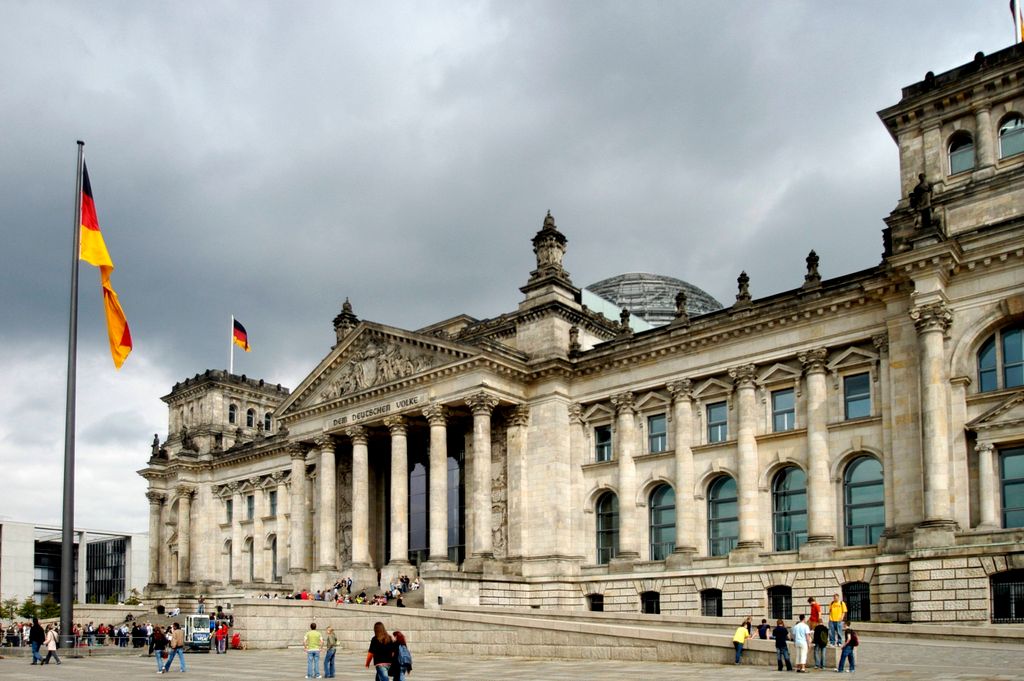
Germany offers almost free education in its public universities — you only pay about €300–€400 per semester, which is far cheaper than even many Indian institutions. The job market is strong, especially for mechanical engineering, mechatronics, and IT fields. After graduation, you get 18 months to find a job, and once employed, you can stay longer and eventually apply for PR after 2–5 years.
Germany also has student-friendly cities like Berlin, Munich, and Aachen, making life easier for international students.
However, the German language is a challenge — you need to learn it, even if your course is taught in English. It’s essential for dealing with government offices, employers, and daily life. Also, because of the high global demand for public universities (due to free tuition), it’s getting increasingly competitive to get admission, even with a strong profile.
Related
